Interior design trends are constantly evolving, reflecting changes in lifestyle, culture, and technology. In 2026, homes are becoming more than just living spaces; they are personal sanctuaries that reflect identity, comfort, and emotional well-being. People are now prioritizing environments that feel warm, inviting, and meaningful rather than simply visually appealing.
The keyword interior design trends highlights a shift toward personalization and authenticity. Instead of following rigid design rules, homeowners are blending styles and experimenting with textures, colors, and materials. This year emphasizes individuality, making every home unique while still maintaining functionality and modern appeal.
The Evolution of Interior Design Trends in Recent Years
Over the past decade, interior design trends have shifted dramatically from cold minimalism to expressive and layered interiors. Previously, clean lines and neutral palettes dominated, but now there is a clear movement toward depth, warmth, and storytelling through design elements. Homes are becoming reflections of personal journeys rather than generic spaces.
Technology and sustainability have also influenced these changes. Smart home features, eco-friendly materials, and multifunctional spaces are shaping how people design their homes. Interior design trends now focus on balancing beauty with practicality, ensuring spaces are both visually pleasing and efficient for everyday living.
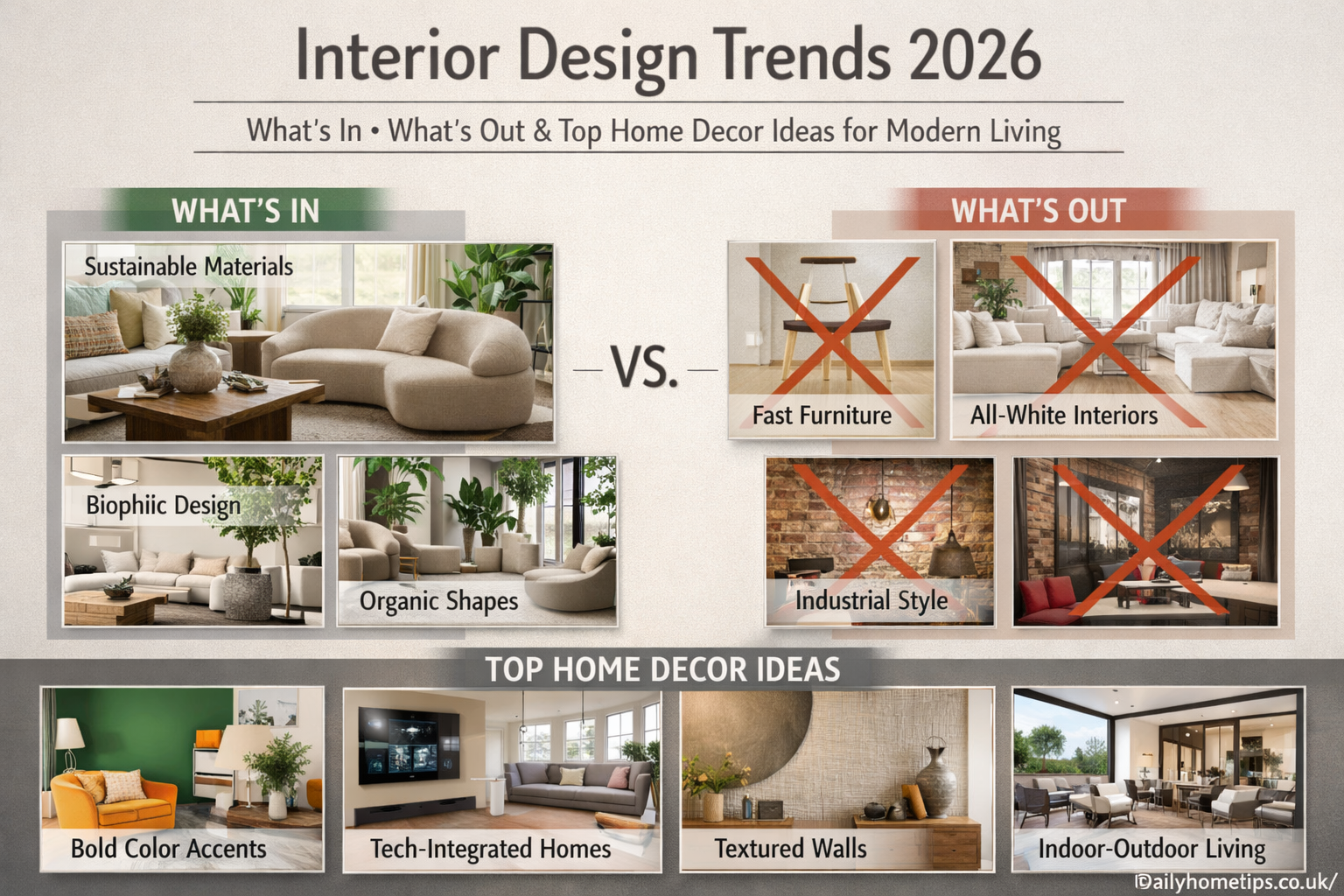
Interior Design Trends 2026 What’s In
The interior design trends of 2026 celebrate warmth, texture, and personality. Designers are embracing natural elements, bold statements, and creative combinations that bring life into homes. This year is about creating spaces that feel lived-in, comfortable, and emotionally connected.
Another defining aspect is the focus on sustainability and craftsmanship. People are investing in high-quality materials and timeless pieces that last longer. Interior design trends are no longer about fast changes but about building spaces that remain relevant and meaningful over time.
Warm and Earthy Color Palettes
Warm and earthy tones are dominating interiors in 2026. Shades like terracotta, beige, olive green, and deep browns create a calming and grounded atmosphere. These colors bring a sense of comfort and connection to nature, making spaces feel more inviting and relaxed.
Interior design trends show that these palettes are replacing cool greys and stark whites. Homeowners are using layered tones to add depth and character, making rooms feel cozy and sophisticated without being overwhelming or overly decorated.
Maximalist and Personalized Spaces
Maximalism is making a strong comeback, allowing homeowners to express their personalities through bold decor choices. Mixing patterns, textures, and colors is encouraged, creating spaces that feel vibrant and unique. Personal collections, artwork, and meaningful objects play a central role.
Unlike clutter, this approach focuses on intentional layering. Interior design trends emphasize balance, ensuring that even maximalist spaces feel curated and harmonious rather than chaotic or overwhelming to the eye.
Biophilic Design and Nature-Inspired Elements
Biophilic design continues to grow in popularity as people seek a stronger connection with nature. Indoor plants, natural light, and organic materials like wood and stone are key elements. These features improve both aesthetics and mental well-being.
Interior design trends highlight how incorporating nature into interiors can reduce stress and enhance productivity. From vertical gardens to large windows, nature-inspired designs create a refreshing and peaceful living environment.
Curved Furniture and Soft Shapes
Curved furniture is replacing sharp edges and rigid lines, bringing softness and fluidity into spaces. Rounded sofas, circular tables, and arched doorways create a welcoming and comfortable atmosphere. These shapes also improve the flow of movement within a room.
Interior design trends suggest that organic forms make spaces feel more natural and less structured. This shift aligns with the overall theme of comfort and relaxation, making homes feel more inviting and human-centered.
Sustainable and Eco-Friendly Materials
Sustainability is a major focus in modern interiors. Recycled materials, ethically sourced wood, and eco-friendly fabrics are becoming essential choices. People are increasingly aware of the environmental impact of their design decisions.
Interior design trends show a preference for durable and long-lasting materials. Investing in quality items reduces waste and promotes a more responsible approach to decorating, ensuring that homes are both stylish and environmentally conscious.
Statement Lighting and Bold Decor Pieces
Lighting is no longer just functional; it has become a key design element. Statement chandeliers, artistic lamps, and unique fixtures are used to create focal points in a room. These pieces add personality and visual interest.
Interior design trends also emphasize bold decor elements such as oversized artwork and sculptural furniture. These features help transform ordinary spaces into visually striking environments that reflect creativity and style.
Interior Design Trends 2026 What’s Out
While new styles are emerging, some older trends are fading away. The shift reflects a desire for warmth and authenticity rather than overly polished or artificial looks. Homes are becoming more relaxed and personal.
Interior design trends indicate that outdated styles often lack character or practicality. By moving away from these elements, homeowners can create spaces that feel more meaningful and aligned with modern living needs.
All-White and Cold Minimalism
All-white interiors are losing popularity as people seek more warmth and depth. While minimalism still exists, it is evolving into a softer and more inviting version. Neutral tones are now paired with textures and layers.
Interior design trends show that overly sterile spaces can feel unwelcoming. Adding color and texture creates a balanced environment that feels both modern and comfortable without sacrificing simplicity.
Matching Furniture Sets
Perfectly matching furniture sets are becoming outdated. Instead, mixing different styles and materials is encouraged to create a more dynamic and interesting look. This approach allows for greater creativity and individuality.
Interior design trends emphasize that unique combinations add character to a space. By blending vintage and modern pieces, homeowners can achieve a curated and timeless aesthetic that feels authentic.
Overused Accent Walls
Accent walls are no longer the go-to design feature. Instead of focusing on one wall, designers are embracing full-room color applications or textured finishes. This creates a more cohesive and immersive environment.
Interior design trends highlight the importance of balance in color usage. A well-designed space feels unified rather than segmented, making it more visually appealing and harmonious.
Fast Furniture and Low-Quality Materials
Cheap, disposable furniture is being replaced by high-quality, long-lasting pieces. People are now prioritizing durability and craftsmanship over quick and inexpensive solutions.
Interior design trends encourage mindful consumption. Investing in quality furniture not only enhances aesthetics but also supports sustainability and reduces environmental impact over time.
Room by Room Interior Design Trends
Each room in the home is evolving with specific design approaches that reflect functionality and comfort. Interior design trends focus on creating spaces that serve multiple purposes while maintaining a cohesive style.
From living rooms to bathrooms, every area is being redesigned with attention to detail and usability. The goal is to create a seamless flow throughout the home while addressing the unique needs of each space.
Living Room Trends
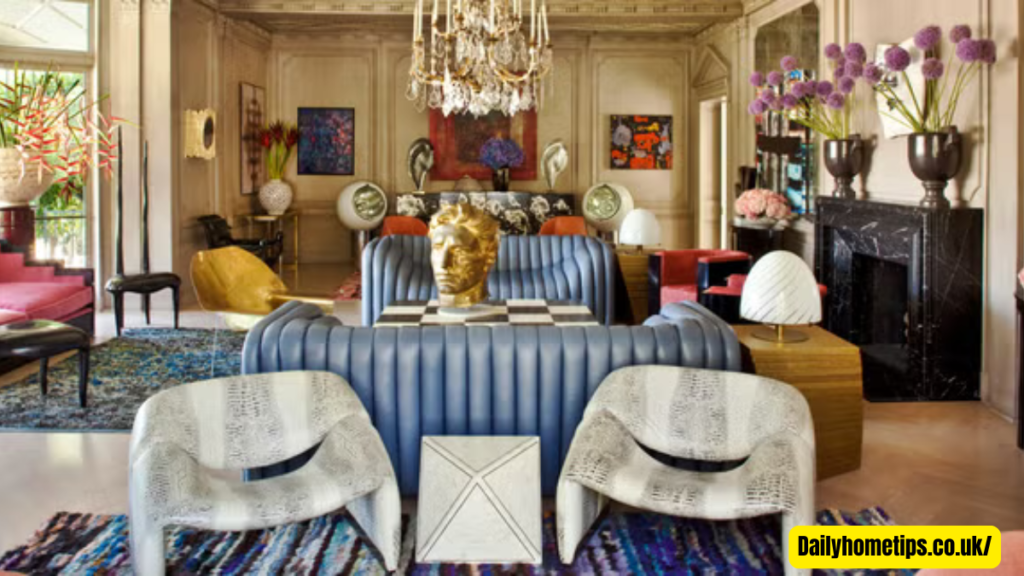
Living rooms are becoming more comfortable and multifunctional. Soft seating, layered textures, and flexible layouts are key elements. These spaces are designed for relaxation, entertainment, and social interaction.
Interior design trends emphasize personalization in living rooms. Decorative items, artwork, and unique furniture pieces help create a space that reflects the homeowner’s personality and lifestyle.
Bedroom Trends
Bedrooms are transforming into peaceful retreats. Soft colors, minimal clutter, and cozy textiles create a calming atmosphere. Comfort is the primary focus, ensuring restful and rejuvenating spaces.
Interior design trends highlight the importance of simplicity in bedrooms. While personalization is encouraged, maintaining a clean and organized environment enhances relaxation and overall well-being.
Kitchen Trends
Kitchens are becoming more functional and stylish. Smart storage solutions, natural materials, and open layouts are key features. These spaces are designed to be both practical and visually appealing.
Interior design trends show a shift toward integrated designs. Kitchens are blending seamlessly with living areas, creating a unified and modern home environment.
Bathroom Trends
Bathrooms are evolving into spa-like spaces. Natural materials, warm lighting, and minimalist fixtures create a soothing atmosphere. These designs focus on relaxation and self-care.
Interior design trends emphasize luxury in simplicity. Even small changes, such as better lighting or textured surfaces, can transform a bathroom into a peaceful retreat.
Small Space and Apartment Trends
Small spaces require smart design solutions. Multifunctional furniture, clever storage, and light colors help maximize space and functionality. These designs make compact areas feel larger and more open.
Interior design trends show that even small homes can be stylish and comfortable. By focusing on efficiency and creativity, homeowners can achieve beautiful interiors regardless of size.
Popular Interior Design Styles Dominating 2026
Several design styles are shaping modern interiors. Contemporary design focuses on clean lines and functionality, while Scandinavian style adds warmth and simplicity. Bohemian and eclectic styles bring creativity and diversity.
Interior design trends also include Art Deco influences and softened industrial elements. These styles combine traditional and modern features, creating balanced and visually appealing spaces.
How to Apply Interior Design Trends on a Budget
Updating your home does not require a large budget. Simple changes like adding new cushions, rearranging furniture, or incorporating plants can make a significant difference. Creativity plays a key role.
Interior design trends encourage DIY projects and repurposing existing items. Thrift shopping and upcycling allow homeowners to achieve stylish interiors without overspending.
Interior Design Trends for Different Lifestyles
Different lifestyles require different design approaches. Families need practical and durable spaces, while professionals working from home need functional and inspiring environments.
Interior design trends emphasize adaptability. Homes should reflect the needs of their occupants, ensuring comfort, efficiency, and style for every lifestyle.
Future of Interior Design Trends Beyond 2026
The future of interior design trends will continue to focus on sustainability, technology, and personalization. Smart homes will become more advanced, offering greater convenience and efficiency.
Design will also become more human-centered, prioritizing well-being and emotional connection. Homes will evolve into spaces that support both physical and mental health, creating a holistic living experience.
Conclusion
Interior design trends in 2026 highlight a shift toward warmth, individuality, and sustainability. Homes are becoming more than just functional spaces; they are expressions of personal style and comfort.
By embracing these trends while staying true to personal preferences, homeowners can create spaces that are both modern and timeless. The key is to balance innovation with authenticity, ensuring a harmonious and meaningful living environment.
FAQs
What are the top interior design trends for 2026?
The top interior design trends include warm color palettes, sustainable materials, curved furniture, and personalized spaces that reflect individual style.
Which interior design trends are going out of style?
All-white minimalism, matching furniture sets, and overused accent walls are becoming less popular as people prefer more dynamic and warm interiors.
How can I update my home with interior design trends?
You can update your home by adding new textures, incorporating plants, using warm colors, and rearranging furniture to create a fresh and modern look.
Are interior design trends worth following?
Interior design trends can provide inspiration, but it is important to adapt them to your personal style and needs for a balanced and authentic space.
What colors are trending in interior design for 2026?
Earthy tones such as terracotta, beige, olive green, and warm browns are trending, creating cozy and inviting environments.