Introduction
Home improvement is no longer only about making a house look beautiful. For many homeowners, it is about creating a space that feels comfortable, works better for daily life, saves energy, and increases long-term property value. A smart upgrade can change how a home looks and functions without requiring a complete renovation or an unlimited budget.
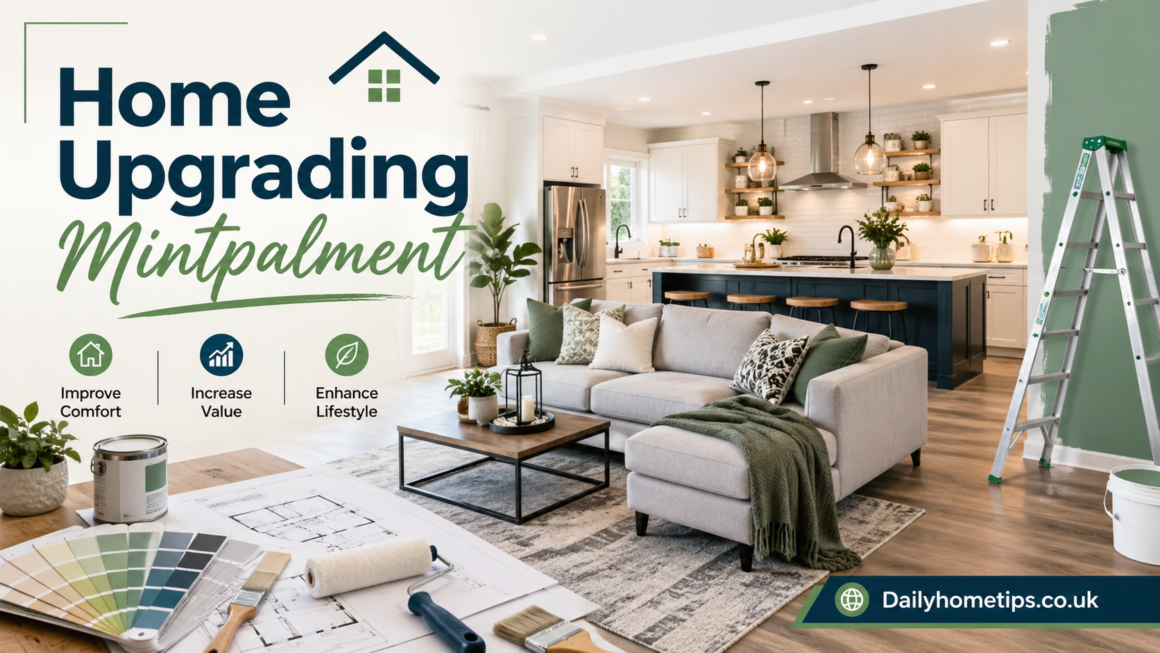
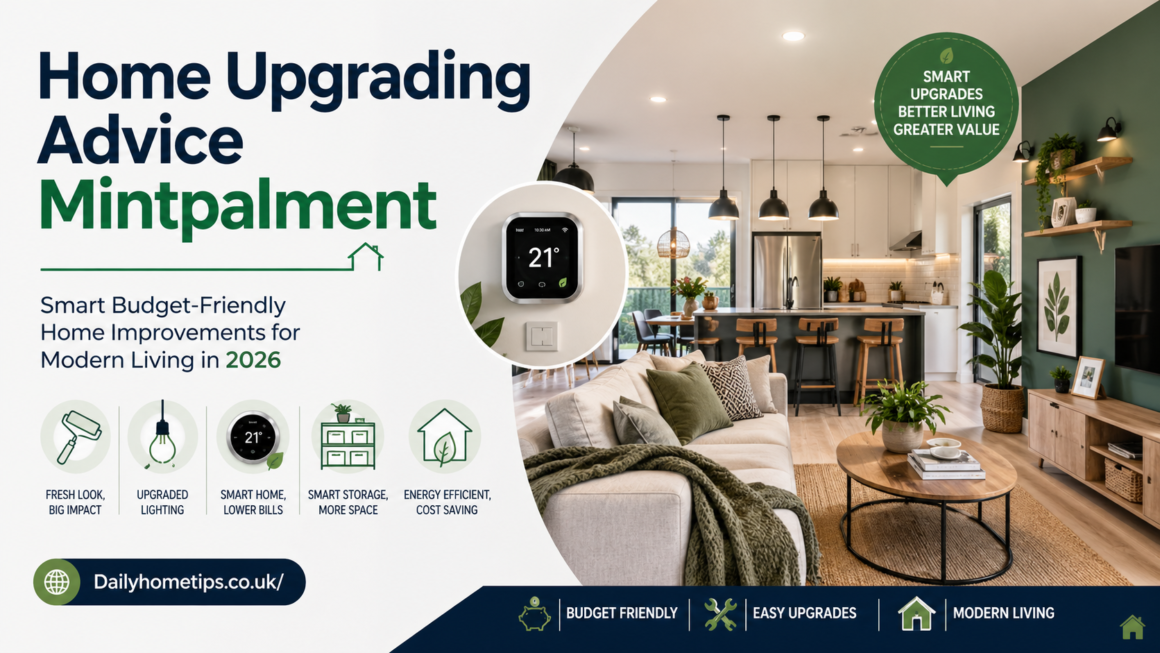
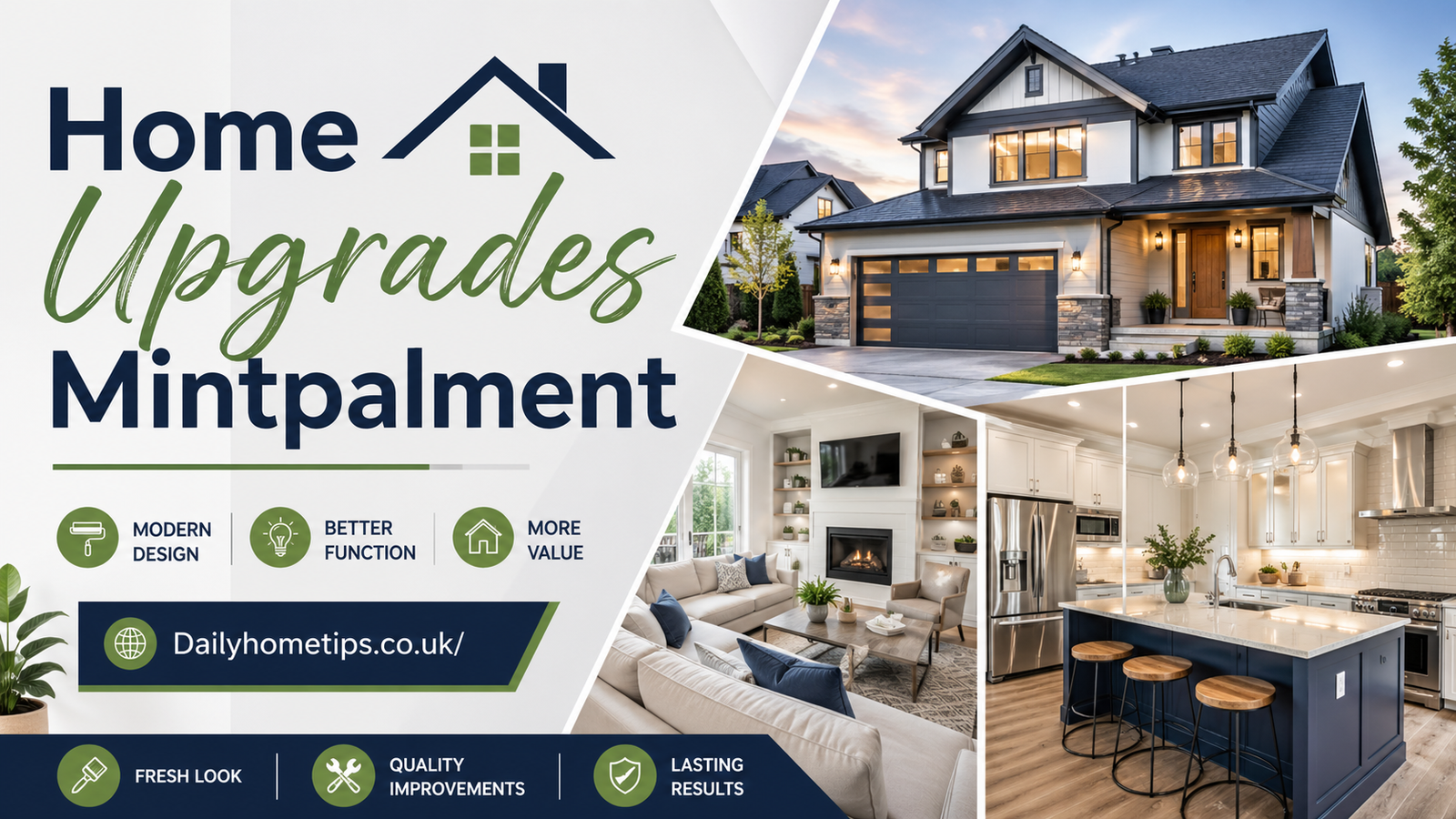
The idea behind Home Upgrades Mintpalment is simple: choose improvements that offer a strong mix of style, comfort, practicality, and value. Instead of spending money on random changes, homeowners can focus on upgrades that make the home more useful, attractive, and appealing to future buyers. This approach is especially helpful for families, first-time homeowners, and sellers preparing their homes for the market.
What Is Home Upgrades Mintpalment?
Home Upgrades Mintpalment refers to a smart and practical way of improving a home through thoughtful upgrades that increase comfort, function, and value. It is not limited to expensive remodeling projects. It can include small changes such as painting walls, replacing lighting, improving storage, upgrading fixtures, refreshing landscaping, or making the home more energy efficient.
This approach focuses on balance. A home should look modern, but it should also remain practical. A kitchen should be stylish, but it should also be easy to use. A bathroom should feel fresh, but it should also be durable and safe. When homeowners follow this mindset, they avoid wasting money on upgrades that look attractive for a short time but do not add real value.
Why Smart Home Upgrades Matter
Smart home upgrades matter because they improve both daily living and future resale potential. A house with better lighting, fresh paint, strong curb appeal, updated fixtures, and organized spaces usually feels more welcoming. These improvements create a positive impression for guests, buyers, and the people who live in the home every day.
Many buyers notice the same important areas when viewing a property. They look closely at the kitchen, bathrooms, flooring, storage, outdoor space, and overall maintenance. If these areas feel clean, modern, and functional, the home appears more valuable. That is why careful upgrades can make a powerful difference without turning the entire house into a construction project.
Best Kitchen Upgrades That Boost Value
The kitchen is often the heart of the home, and it can strongly influence the value of a property. A full kitchen remodel can be expensive, but small and mid-range improvements can still create a major impact. Painting cabinets, replacing handles, installing a new backsplash, upgrading lighting, and adding a modern faucet can refresh the entire room.
Countertops are another important feature. Durable materials such as quartz, granite, or high-quality laminate can make a kitchen feel cleaner and more valuable. Energy-efficient appliances may also attract buyers because they look modern and can reduce long-term utility costs. The goal is to create a kitchen that feels bright, practical, and easy to maintain.
Bathroom Upgrades for Comfort and Resale Appeal
Bathrooms are small spaces, but they carry a lot of value in a home. A clean, bright, and updated bathroom can make a property feel well cared for. Simple changes such as replacing an old mirror, updating the vanity, adding new faucets, improving lighting, and refreshing caulk around the tub can make the room feel newer.
Larger upgrades may include installing a walk-in shower, replacing old tile, adding a water-saving toilet, or improving ventilation. Good ventilation is especially important because it helps prevent moisture problems, mold, and unpleasant smells. A bathroom does not always need luxury finishes, but it should feel fresh, functional, and comfortable.
Flooring Upgrades That Change the Whole Home
Flooring has a major effect on how a home feels. Old carpet, damaged tiles, or mismatched flooring can make even a clean house look dated. Replacing worn floors with durable and attractive materials can instantly improve the appearance of the entire property. Many homeowners choose luxury vinyl plank, engineered wood, hardwood, or tile for long-lasting results.
Consistent flooring can also make rooms feel larger and more connected. When different rooms have too many flooring styles, the home may feel busy or outdated. Neutral, durable, and easy-to-clean flooring is usually the safest choice for resale value. It gives buyers the freedom to imagine their own furniture and decor in the space.
Paint and Wall Updates for an Instant Refresh
Painting is one of the most affordable ways to upgrade a home. A fresh coat of paint can make walls look clean, bright, and well maintained. Neutral colors are especially popular because they appeal to a wide range of people and make rooms feel open. Soft whites, warm grays, beige tones, and light earthy shades often work well.
Wall updates can also include trim repair, accent walls, wallpaper removal, and modern paneling. However, homeowners should be careful with very bold colors or trendy wall designs if they plan to sell soon. A fresh and simple wall finish usually creates the best impression because it makes the home feel ready to move into.
Lighting Upgrades for Style and Function
Lighting can completely change the mood of a room. A dark space may feel small and uninviting, while a well-lit room feels open, warm, and comfortable. Replacing outdated fixtures with modern lighting is a simple upgrade that can make a home look more expensive. Pendant lights, recessed lights, wall sconces, and updated ceiling fixtures all add value.
Good lighting should include more than one source. Ambient lighting brightens the whole room, task lighting supports activities such as cooking or reading, and accent lighting highlights special features. LED bulbs, dimmer switches, and smart lighting systems can also improve energy efficiency. This makes lighting both a design upgrade and a practical investment.
Curb Appeal Upgrades That Create a Strong First Impression
The outside of a home is the first thing people see. Strong curb appeal can make a property feel welcoming before anyone steps inside. Simple improvements such as mowing the lawn, trimming bushes, adding fresh mulch, cleaning walkways, painting the front door, and updating house numbers can make a big difference.
Larger exterior upgrades may include landscaping, porch improvements, new outdoor lighting, siding repair, or a garage door replacement. These changes can improve both beauty and function. A home with a clean and attractive exterior suggests that the inside has also been well maintained. This first impression can be very powerful when selling a house.
Smart Home Technology Upgrades
Smart home technology is becoming more common because it adds convenience, comfort, and security. A smart thermostat can help control heating and cooling more efficiently. Smart locks and video doorbells can make homeowners feel safer. Smart lights can be controlled from a phone, making daily life easier and more flexible.
The best smart upgrades are simple to use. Homeowners should avoid installing complicated systems that may confuse future buyers. A few practical smart devices are often better than a full system that requires special knowledge. Smart technology should make the home feel modern, not difficult. This is an important part of Home Upgrades Mintpalment for today’s homeowners.
Energy-Efficient Home Improvements
Energy efficiency is one of the smartest ways to improve a home. Upgrades that reduce energy waste can lower monthly bills and improve comfort throughout the year. Simple changes include sealing air leaks, adding weatherstripping, using LED bulbs, installing a programmable thermostat, and improving attic insulation.
Bigger energy upgrades may include energy-efficient windows, improved HVAC systems, Energy Star appliances, or solar panels where suitable. These improvements may cost more at first, but they can provide long-term benefits. Buyers often appreciate homes that feel comfortable and cost less to operate. Energy efficiency also supports a cleaner and more responsible lifestyle.
Storage and Organization Upgrades
Storage is one of the most important features in a functional home. Even a beautiful house can feel stressful if there is no place to keep everyday items. Closet systems, pantry shelves, garage organizers, built-in cabinets, and floating shelves can make a home feel larger and more useful.
Organization upgrades are especially helpful in small homes. When clutter is reduced and storage is improved, rooms feel more open and peaceful. A well-organized home also photographs better for listings and makes a stronger impression during showings. Buyers often see good storage as a sign that the home is practical for real life.
Outdoor Living Space Improvements
Outdoor living spaces have become more valuable because they extend the usable area of a home. A simple patio, deck, seating area, or garden corner can create a relaxing place for family time and entertainment. Outdoor lighting, planters, privacy screens, and comfortable furniture can make the area feel inviting.
More advanced upgrades may include a pergola, fire pit, covered patio, outdoor kitchen, or deck replacement. Homeowners should choose weather-resistant materials that can handle local conditions. Outdoor spaces do not need to be extravagant to add value. They simply need to feel comfortable, clean, and easy to enjoy.
Budget-Friendly Home Upgrades Mintpalment Ideas
Not every upgrade requires a large budget. Many affordable improvements can make a home feel fresh and modern. Replacing cabinet handles, painting walls, changing light fixtures, adding peel-and-stick backsplash, updating curtains, cleaning carpets, and refreshing landscaping are all budget-friendly ideas that can improve appearance quickly.
The secret is to focus on visible details. Buyers and guests notice clean surfaces, fresh colors, bright lighting, and organized spaces. A low-cost upgrade can feel expensive when it is done carefully. Home Upgrades Mintpalment works well because it encourages homeowners to spend money wisely instead of chasing unnecessary luxury.
High-ROI Home Upgrades to Consider
High-ROI upgrades are improvements that may return a strong portion of their cost through increased home value or buyer appeal. Minor kitchen improvements, bathroom refreshes, fresh paint, updated flooring, garage door replacement, entry door replacement, landscaping, and energy-efficient upgrades are often considered practical choices.
However, return on investment can vary depending on location, home condition, and the local real estate market. A luxury upgrade may not always bring a strong return if it does not match the neighborhood. Homeowners should focus on improvements that solve real problems, improve comfort, and appeal to a wide group of buyers.
Common Home Upgrade Mistakes to Avoid
One common mistake is starting upgrades without a clear plan. Homeowners may buy materials, change designs, or begin projects without knowing the full cost. This can lead to delays, stress, and overspending. A better approach is to create a budget, choose priorities, and understand which upgrades matter most.
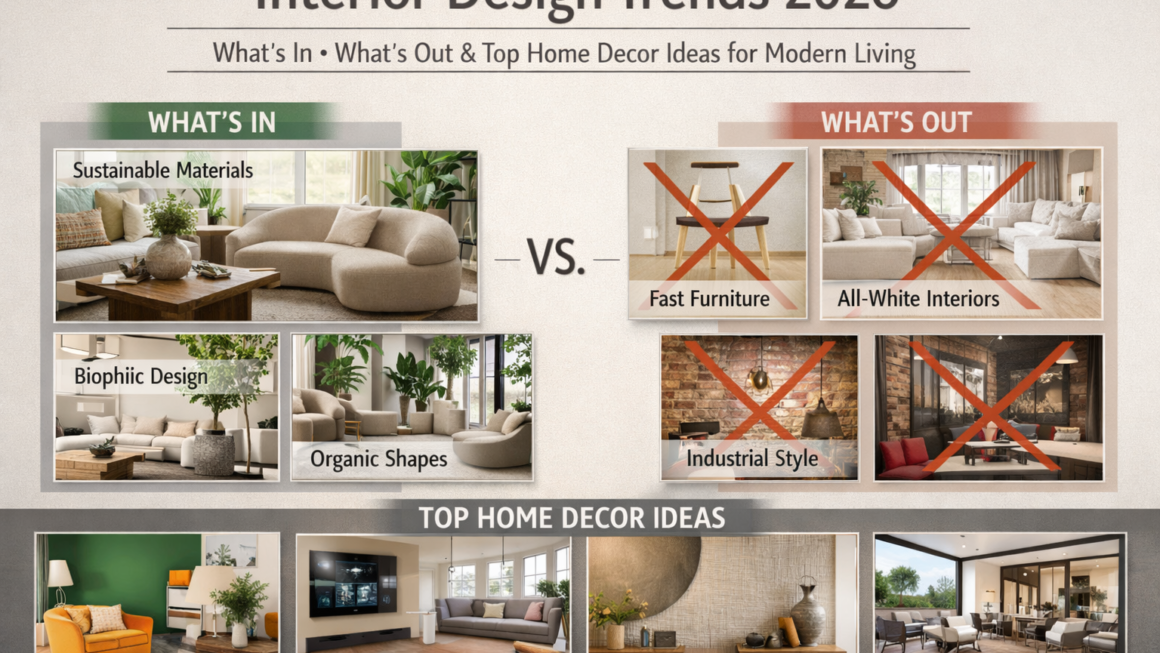
Another mistake is following trends too strongly. A design that looks popular today may feel outdated in a few years. Very bold colors, unusual materials, and overly personal design choices can limit buyer appeal. It is also risky to ignore needed repairs while spending money on cosmetic changes. A beautiful room loses value if plumbing, roofing, or electrical problems remain unresolved.
How to Plan Your Home Upgrade Project
Planning is the foundation of a successful home improvement project. Start by identifying the main goal. Some homeowners want to sell their house, while others want better comfort, more storage, or lower energy bills. Once the goal is clear, it becomes easier to choose the right upgrades.
A realistic budget is also important. Homeowners should include materials, labor, permits, and extra money for unexpected costs. It is smart to get more than one contractor quote for larger projects. Keeping receipts, photos, and project details can also help later, especially when selling the home or proving the quality of improvements.
DIY vs Professional Home Upgrades
DIY upgrades can save money and give homeowners a sense of satisfaction. Painting, replacing cabinet hardware, installing shelves, basic landscaping, changing curtains, and organizing closets are usually manageable for many people. These projects are simple, affordable, and can often be completed without special tools.
However, some upgrades should be left to professionals. Electrical work, plumbing, roofing, structural changes, major tile work, and HVAC repairs require skill and safety knowledge. Poor workmanship can reduce home value and create serious problems. A smart homeowner knows when to save money through DIY and when to protect the home by hiring an expert.
Room-by-Room Home Upgrade Ideas
Every room can benefit from thoughtful upgrades. In the living room, fresh paint, better lighting, updated flooring, and modern window treatments can create a welcoming space. In bedrooms, calming colors, improved closets, soft lighting, and clean flooring can improve comfort and relaxation.
Kitchens and bathrooms usually deserve special attention because they strongly affect home value. Laundry rooms can be improved with shelves, cabinets, and better lighting. Garages can become more useful with storage systems and clean flooring. Entryways can feel more inviting with hooks, benches, rugs, and better organization. Each room should support the way people actually live.
Seasonal Home Upgrade Ideas
Seasonal planning helps homeowners choose the right projects at the right time. Spring is ideal for landscaping, exterior cleaning, painting, and garden improvements. Summer works well for deck repairs, outdoor living upgrades, and energy-efficient cooling improvements. These seasons are useful for projects that require outdoor work and longer daylight.
Fall is a good time for insulation, gutter cleaning, weather sealing, and heating system checks. Winter can be used for indoor painting, lighting updates, storage improvements, and smart thermostat installation. By planning seasonally, homeowners can manage costs, avoid weather problems, and keep the home comfortable throughout the year.
How Smart Upgrades Help Small Homes Feel Bigger
Small homes can feel larger when upgrades are planned carefully. Light paint colors, mirrors, open shelving, better lighting, and consistent flooring can create a more spacious feeling. Removing clutter and improving storage also makes a major difference. A small room feels bigger when every item has a clear place.
Furniture choices also matter. Multi-functional furniture, such as storage beds, foldable tables, and slim sofas, can improve space without sacrificing comfort. Homeowners should avoid heavy curtains, oversized furniture, and dark color combinations in small rooms. With the right strategy, even a compact home can feel bright, modern, and valuable.
Final Checklist Before Starting Home Improvements
Before starting any home improvement project, homeowners should inspect the house carefully. Look for urgent repairs, outdated features, poor lighting, damaged flooring, water issues, storage problems, and exterior wear. It is usually better to fix major problems before spending money on decoration.
A smart checklist should include a budget, priority list, material research, contractor quotes, permit checks, and a project timeline. Homeowners should also keep an emergency fund for unexpected expenses. This simple planning step can prevent costly mistakes and make the entire upgrade process smoother and more successful.
Conclusion
Home improvement works best when it is thoughtful, practical, and value-focused. A beautiful home is not only about expensive finishes. It is about comfort, function, maintenance, energy efficiency, and smart design. When homeowners choose upgrades carefully, they can improve daily life while also increasing long-term property appeal.
Home Upgrades Mintpalment gives homeowners a useful way to think about renovations and improvements. It encourages smart choices instead of random spending. Whether the project is a fresh coat of paint, a kitchen refresh, better lighting, new flooring, or improved curb appeal, every smart upgrade can help create a better, more valuable home.
FAQs
What does Home Upgrades Mintpalment mean?
Home Upgrades Mintpalment means improving a home through smart, practical, and value-focused upgrades. It includes updates that make the house more comfortable, stylish, useful, energy efficient, and attractive to future buyers. The goal is not just decoration but better living and stronger property appeal.
This approach can include both small and large projects. Painting, lighting, flooring, kitchen improvements, bathroom updates, storage solutions, smart devices, and curb appeal changes can all be part of it. The main idea is to choose improvements that offer real benefits instead of spending money without a clear purpose.
What home upgrades add the most value?
The upgrades that often add the most value are kitchen updates, bathroom improvements, fresh paint, flooring replacement, curb appeal improvements, and energy-efficient changes. These areas matter because they affect how the home looks, feels, and functions during everyday life.
Buyers usually pay attention to clean kitchens, modern bathrooms, durable flooring, good lighting, and well-maintained exteriors. A home that feels move-in ready often creates stronger interest. However, the best upgrades depend on the home’s condition, location, market, and budget.
What are the best budget-friendly home upgrades?
Some of the best budget-friendly upgrades include painting walls, replacing cabinet hardware, updating light fixtures, installing new faucets, cleaning carpets, adding shelves, improving landscaping, and refreshing the front door. These projects are affordable but can make a home look much better.
Budget upgrades work best when they focus on visible areas. A clean, bright, and organized home often feels more valuable even without major renovation. Small details such as new handles, fresh mulch, and modern lighting can create a polished look at a low cost.
Are smart home upgrades worth it?
Smart home upgrades can be worth it when they improve convenience, safety, and energy efficiency. Smart thermostats, video doorbells, smart locks, and smart lighting are popular because they are useful and easy to understand. These devices can make the home feel modern without requiring major construction.
The key is to keep smart upgrades simple. A complicated system may not appeal to every buyer, especially if it requires special maintenance. Practical smart devices are usually better than expensive technology that does not solve a real problem.
Should I renovate my kitchen before selling my home?
A minor kitchen refresh is often better than a full luxury remodel before selling. Painting cabinets, replacing hardware, updating lighting, installing a backsplash, and improving countertops can make the kitchen feel newer without overspending. Buyers appreciate a clean and functional kitchen.
A full remodel may not always return its full cost, especially if it is too expensive for the neighborhood. Before renovating, homeowners should compare local home values and consider what buyers expect in the area. A balanced update is usually the safest choice.
What upgrades should I avoid before selling?
Before selling, avoid upgrades that are too personal, too trendy, or too expensive for the neighborhood. Bright unusual colors, luxury materials, custom designs, and bold themes may not appeal to many buyers. The goal should be broad appeal, not personal expression.
Homeowners should also avoid poor DIY work and cosmetic upgrades that hide serious problems. If a home has roof leaks, plumbing issues, or electrical concerns, those repairs should come first. Buyers may lose trust if they see pretty finishes but discover hidden problems later.
How can I improve curb appeal on a small budget?
Curb appeal can be improved with simple changes such as mowing the lawn, trimming plants, adding mulch, cleaning the walkway, painting the front door, replacing house numbers, and updating the mailbox. These small projects can make the home look cared for and welcoming.
Outdoor lighting is another affordable upgrade that improves both beauty and safety. A clean porch, healthy plants, and a fresh entrance can create a strong first impression. Even a modest home can look more valuable when the exterior is neat and attractive.
Do energy-efficient upgrades increase home value?
Energy-efficient upgrades can increase buyer appeal because they may reduce utility costs and improve comfort. LED lighting, smart thermostats, insulation, weather sealing, efficient appliances, and better windows can all make a home more practical and comfortable.
The value of these upgrades depends on the local market and the quality of the improvement. Homeowners should choose energy upgrades that make sense for their climate, budget, and home condition. Practical improvements are usually more appealing than expensive upgrades with unclear benefits.
Is DIY home improvement a good idea?
DIY home improvement is a good idea for simple projects that do not involve major safety risks. Painting, organizing closets, replacing handles, basic landscaping, and installing shelves are common DIY-friendly upgrades. These projects can save money and improve the home quickly.
However, professional help is better for electrical work, plumbing, roofing, structural changes, and complex installations. Mistakes in these areas can be dangerous and expensive. A smart homeowner understands the difference between saving money and risking long-term damage.
How should I start a home upgrade project?
Start by identifying your main goal. Decide whether you want to improve comfort, prepare for selling, reduce energy bills, modernize the home, or fix problem areas. A clear goal helps you choose the right projects and avoid unnecessary spending.
Next, create a budget and priority list. Handle urgent repairs first, then focus on upgrades that improve daily use and long-term value. Research materials, compare contractor quotes, check permit requirements, and plan one project at a time for better results.